I was often asked as a child what I would like to be when I grew up. I genuinely felt both stupefied and stressed by the question. I would dutifully answer something I thought was right, “A nurse,” my grandmother’s Halloween gift of a nurse’s costume guiding my response.
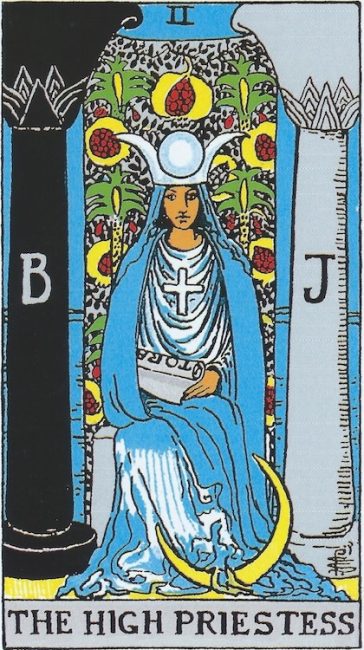
Now, as I prepare to enter a big transition into retirement next year, I am asked, “What are you going to do?” Become a high priestess is what I want to say but don’t.
I knew someone in high school who had a falcon and went on to become a biologist and environmentalist and internationally recognized authority on tundra peregrine falcons. I envy people who always knew their profession or calling, the play medical kit being an affirmation rather than just another toy.
Life transitions, whether unexpected or planned, have a way of redefining us. Illness, death, divorce, loss of job, new life, new job, marriage, children, and yes, retirement—all create significant shifts.
But what we do doesn’t necessarily define who we are. We do a lot of things, have a lot of facets. Some of us are more chameleon-like than others, doing many different things either by necessity or choice, and that’s okay. What matters is who we are as people more than what we do.
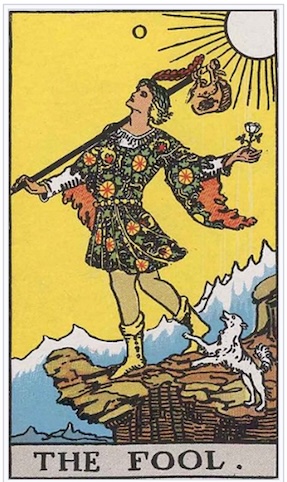
Tarot cards first appeared in the 15th century. The traditional Tarot deck consists of 78 cards, 22 of which are called the major arcana and represent big life themes, spiritual lessons. Together they tell the story of a journey beginning with the first card, the Fool, which bears the number zero. The Fool symbolizes innocence, new beginnings, leaps of faith, spontaneity, great potential. We have all been the Fool in our lifetimes, more than once, and we will be again.
The author George Eliot said, “It’s never too late to be what you might have been.” Card number two in the major arcana is the High Priestess. Wish me luck! And cheers to transitions and new beginnings wherever you are on your journey.


Here’s to your high priestess era!! Let the magic and wisdom and energy flow!
LikeLike
LOVED this. Very inspirational and so relatable. Definitely resonated with me on many levels. Beautifully written, as always. Thank you for sharing your gift of writing. Very meaningful and moving messages that stay with me.
LikeLike